Kausani
'Switzerland of India' — Unrivalled Himalayan Panoramas at 1,890m
Travel Guide
Everything You Need to Know About Kausani
Overview
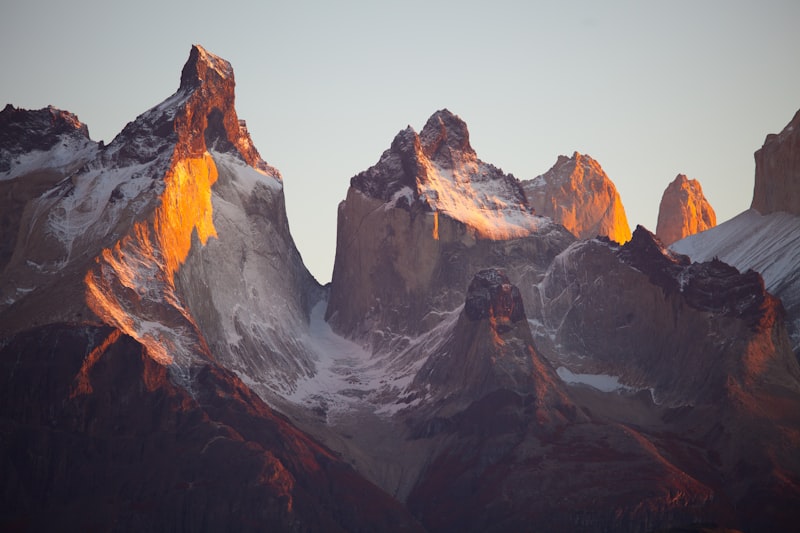
Kausani, perched at 1,890 metres in the Bageshwar district of Kumaon, is famous for one thing above all else: the view. On a clear day, Kausani offers what many consider the finest panoramic view of the Himalayan range in all of Uttarakhand — a sweeping 300-kilometre vista that encompasses Trishul (7,120m), Nanda Devi (7,816m — India's highest peak), Nanda Kot, and the Panchachuli massif. It was this view that led Mahatma Gandhi to call Kausani the "Switzerland of India" during his stay here in 1929.
Gandhi's stay at Kausani is commemorated at the Anashakti Ashram (formerly Lakshmi Ashram), which houses an exhibition of his writings, personal belongings, and a library of Gandhian literature. The ashram remains a functioning retreat — visitors can attend morning prayers and satsangs, providing a unique spiritual dimension to a visit that combines natural beauty with historical significance.
The Uttarakhand Organic Tea Garden in Kausani — one of India's highest tea estates — produces a distinctive green and black tea with a subtle mountain terroir. Guided tours of the tea estate include processing demonstrations and tastings. Beyond Kausani, the destination serves as the gateway to the Pindari and Kafni Glacier treks, making it a popular base for high-altitude trekkers heading into the Kumaon Himalayas.
How to Reach Kausani
By Air
Pantnagar Airport (165km, 4 hours). Fly via Delhi. Alternatively Jolly Grant Airport Dehradun (230km, 5.5 hours).
By Rail
Kathgodam Railway Station (132km, 3.5 hours by road). Well-connected from Delhi (Ranikhet Express, Shatabdi). Shared jeeps and buses from Kathgodam to Kausani via Almora.
By Road
Delhi to Kausani: 415km via Rampur → Almora → Kausani (8–9 hours). From Kathgodam: 132km via Almora (3.5 hours). Regular KMOU buses from Kathgodam. Private taxis from Delhi ₹5,000–₹7,000.
Local Transport
Kausani is small — walk everywhere. Hire taxis for tea gardens, Baijnath (18km), and Bageshwar (38km).
Best Time to Visit
Kausani is accessible year-round. January–February can be cold with light frost. July–August monsoon brings clouds that obscure the Himalayan view. The best Himalayan panoramas are in October–November (post-monsoon clarity) and March–April.
Best Open Closed
Distance from Major Cities
Why Visit Kausani?
- Himalayan panorama — 300km vista including Trishul, Nanda Devi & Panchachuli
- Anashakti Ashram — Gandhi's retreat with historical exhibition and morning prayers
- Uttarakhand Organic Tea Gardens — one of India's highest tea estates
- Sunset and sunrise views from the ridge — rated among India's finest
- Gateway to Pindari and Kafni Glacier treks
- Baijnath Temple (18km) — 12th-century Shiva temple complex on Gomti river
- Sumitranandan Pant Gallery — birthplace museum of famous Hindi poet
Sample Itinerary
3-Day Kausani Plan
A suggested itinerary — customise with AI for your dates and preferences
Kathgodam → Kausani
- Drive from Kathgodam via Almora (132km, 3.5 hours)
- Check into ridge hotel with Himalayan view
- Afternoon: Anashakti Ashram visit and Gandhi exhibition
- Sunset view from hotel terrace
Tea Garden, Sumitranandan & Baijnath
- 5:30am sunrise from ridge viewpoint
- Organic Tea Garden guided tour and tasting
- Sumitranandan Pant birthplace museum
- Afternoon: Drive to Baijnath (18km) — 12th-century Shiva temple complex on Gomti
- Return to Kausani for sunset
Bageshwar & Departure
- Morning: Bageshwar town (38km) — Bagnath temple and Saryu-Gomti confluence
- Afternoon: Depart for Kathgodam or Nainital
Get a Personalised AI Itinerary
Tell us your dates, budget, and group size — our AI creates a custom plan in seconds.
Live Updates
Travel Alerts for Kausani
Current Status
Route Status
Open & busy
Best time: March to June & September to November
Latest Alerts
Where to Stay
Hotels & Accommodation in Kausani
Handpicked stays — from budget dharamshalas to comfortable mountain hotels
Top Stays in Kausani
Searching across providers…
Live Conditions
Current Weather at Kausani
Live temperature and wind data from Open-Meteo — updated hourly
☀️ Peak Season
May–June & Sep–Oct
8–18°C day / -2 to 5°C night
Best for pilgrimage and trekking. Clear skies, stable weather.
🌧️ Monsoon
July–August
12–20°C day / 5–10°C night
Heavy rainfall. Landslide risk on mountain roads. Check advisories.
❄️ Winter
Nov–April
-10 to 5°C day / below -15°C night
Temple/destination closed. Heavy snowfall. Not recommended.
Tips & Precautions
Travel Tips for Kausani
Travel Tips
- Book accommodation on the ridge for direct Himalayan views from your room — worth the extra cost
- Wake up at 5:30am for the best sunrise view — clouds often cover peaks by 10am
- Visit the tea garden between March–May for plucking season
- Combine with Baijnath (18km) and Bageshwar (38km) for a rich cultural day
- October–November offers the clearest views after monsoon clears the haze
- The Anashakti Ashram morning prayers are at 5:30am — participate for a peaceful start
Packing List
- Binoculars (essential for Himalayan peak identification)
- Warm layers (cold nights year-round)
- Rain jacket (Jun–Sep)
- Camera and tripod for sunset/sunrise
- Cash (limited ATMs)
Health Precautions
- No altitude issues at 1,890m
- Roads to Kausani have steep hairpin bends — take rest stops if prone to motion sickness
- Nearest hospital in Bageshwar (38km)
Safety Tips
- Ridge viewpoint can be windy — hold children's hands near edges
- Mountain roads after rain can be slippery
- Hire local guides for Pindari Glacier trek — do not attempt alone
Frequently Asked
Kausani Travel FAQs
Everything travellers ask before visiting Kausani
Mahatma Gandhi coined the term during his 1929 stay, comparing the sweeping Himalayan panorama — Trishul, Nanda Devi, Panchachuli — to the Swiss Alps. The name stuck, though many who visit feel Kausani's beauty surpasses the comparison.
Traveller Reviews
Loading reviews…
Sign in to leave a review
Explore More
Destinations Near Kausani
 Nainital
Jewel of Kumaon — Naini Lake, Snow View & Himalayan Sunsets
 Munsiyari
Little Kashmir of Uttarakhand — Panchachuli Peaks & Gateway to Milam Glacier
 Jim Corbett
India's Oldest Tiger Reserve — Bengal Tigers, Elephants & Jungle Safaris
 Ranikhet
Queen's Field — Colonial Elegance & Nanda Devi Views at 1,829m
Ready to Plan Your Kausani Journey?
Our AI travel planner creates a personalised itinerary for your dates, budget, and group size in seconds — with hotels, routes, and real travel tips.