Dr. Kavita Bhatia
Wilderness Medicine Physician
Acute Mountain Sickness (AMS) is caused by reduced oxygen availability at high altitudes. It affects anyone — regardless of fitness — who ascends too fast. In the Himalayas, where pilgrims and trekkers regularly reach 3,500m–4,300m, AMS is a genuine risk. Understanding it can save your trip and, in severe cases, your life.
What is AMS?
AMS occurs when your body has not had enough time to acclimatise to lower oxygen levels. Mild AMS is common and usually resolves with rest. Severe AMS — and its life-threatening complications HACE (High Altitude Cerebral Edema) and HAPE (High Altitude Pulmonary Edema) — require immediate descent.
Symptoms by Severity
| Severity | Symptoms | Action |
|---|---|---|
| Mild AMS | Headache, fatigue, loss of appetite, nausea | Rest; do not ascend; hydrate; take ibuprofen |
| Moderate AMS | Severe headache, vomiting, dizziness, poor sleep | Descend 300–500m; consider acetazolamide |
| HACE | Confusion, loss of coordination, altered consciousness | IMMEDIATE descent; oxygen; Dexamethasone |
| HAPE | Breathlessness at rest, pink frothy cough, blue lips | IMMEDIATE descent; oxygen; Nifedipine |
Important Warning
HACE and HAPE are medical emergencies. Do not wait for morning. Descend at night if necessary. Oxygen and medications only buy time — they do not replace descent.
Prevention: The Golden Rule
"Climb high, sleep low" — ascend during the day to higher elevations, then descend to sleep lower. Never ascend more than 300–500m in sleeping altitude per day above 3,000m.
- Spend 1–2 nights at an intermediate altitude (e.g., Rudraprayag or Joshimath) before pushing higher.
- Stay well hydrated — aim for 3–4 litres of water per day at altitude.
- Avoid alcohol and sleeping pills — both suppress breathing during sleep.
- Eat high-carbohydrate meals; avoid heavy fatty food.
- Consider Acetazolamide (Diamox) — 125–250mg twice daily, starting 24 hours before ascent. Consult your doctor first.
AMS at Kedarnath Specifically
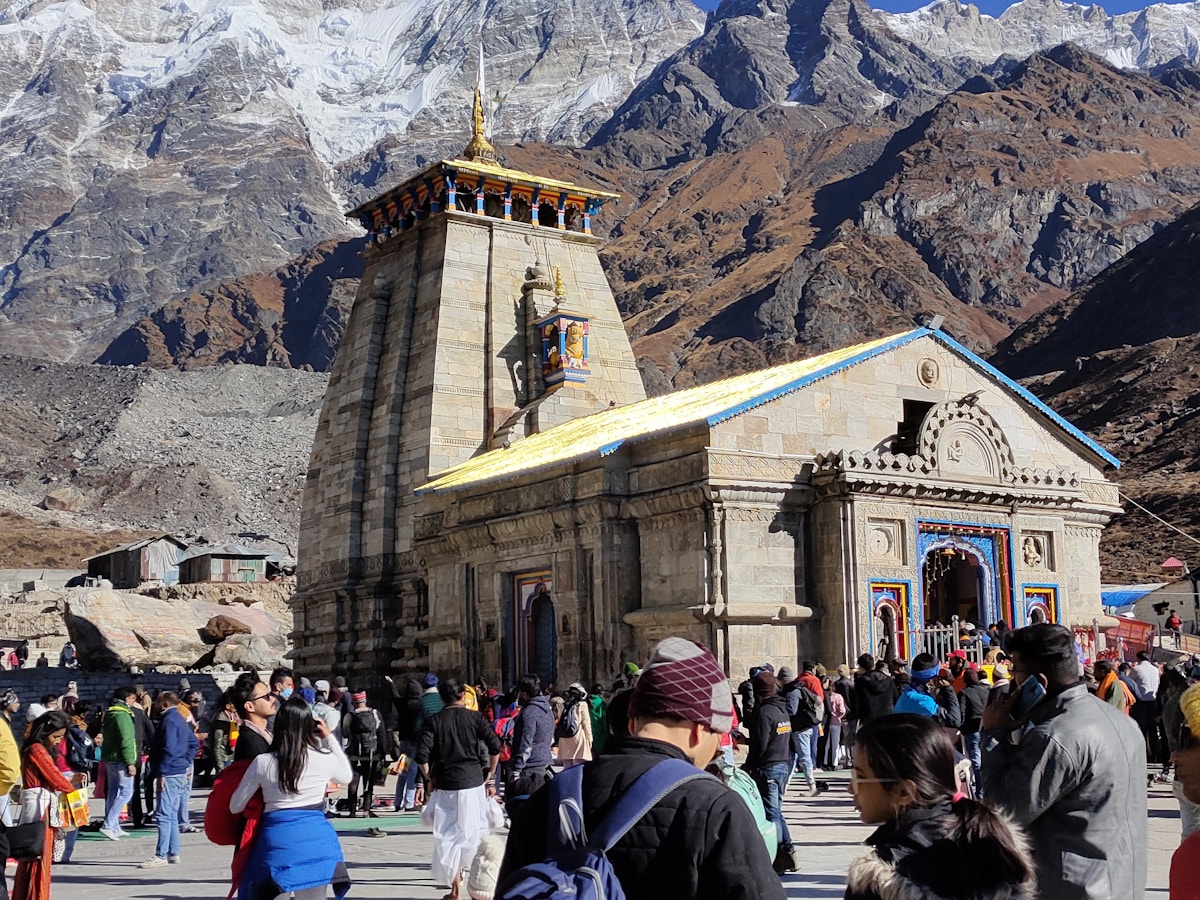
Many pilgrims travel from sea-level cities to Kedarnath (3,583m) in under 48 hours — far too fast for the body to adjust. Spending at least one night at Gaurikund (1,982m) and a gentle pace on the trek significantly reduces risk.
Pro Tip
The Lake Louise AMS Score is a simple self-assessment tool. If you score 3 or above with symptoms present, treat it as AMS and stop ascending.
Medical Facilities on the Route
- Gaurikund: Government health post with basic oxygen
- Lincholi (mid-trail): First-aid post with stretchers and mules for evacuation
- Kedarnath: Government hospital with oxygen concentrators; ITBP post
- AIIMS mobile units operate during peak season on the main trail