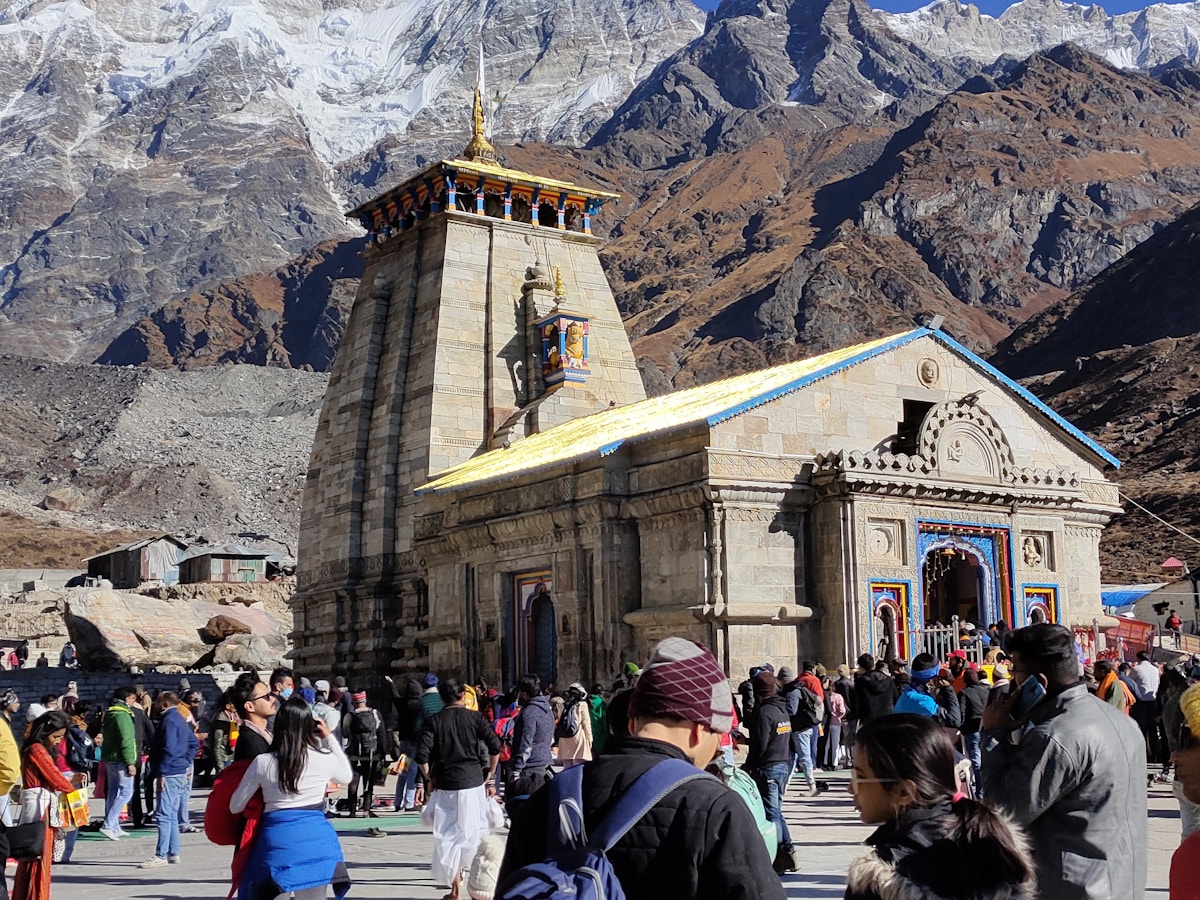
Kedarnath
Sacred Shiva Temple at 3,583m — Crown Jewel of Char Dham
Travel Guide
Everything You Need to Know About Kedarnath
Overview
Kedarnath is one of India's most revered pilgrimage sites and the holiest of the twelve Jyotirlingas, dedicated to Lord Shiva. Perched at a majestic altitude of 3,583 metres in the Rudraprayag district of Uttarakhand, the ancient Kedarnath Temple is believed to have been built by the Pandavas and later renovated by Adi Shankaracharya in the 8th century. The temple stands as an architectural marvel, constructed with massive stone slabs and an interlocking technique that has allowed it to endure centuries of harsh Himalayan weather — including the catastrophic 2013 floods that devastated the surrounding region while leaving the temple remarkably intact.
The Kedarnath Yatra is a spiritual odyssey unlike any other. Pilgrims journey from Gaurikund, a small village at 1,982 metres, along a 16-kilometre mountain trail that winds through dense forests, alpine meadows, and rugged terrain. The trek typically takes 5–7 hours on foot, with ponies, palanquins (dolis), and helicopter services available for those with physical limitations. Every step of this sacred journey is infused with devotion — the chanting of "Jai Bholenath", the fragrance of pine forests, and the thundering Mandakini river accompanying pilgrims throughout.
Kedarnath forms part of the sacred Char Dham pilgrimage circuit, which includes Badrinath, Gangotri, and Yamunotri. Completing all four dhams is considered the ultimate act of spiritual devotion in Hinduism. The temple opens each year on Akshaya Tritiya (April–May) and closes on Kartik Purnima (October–November) for six months when the idol is shifted to Ukhimath during winter. The surrounding Kedarnath Wildlife Sanctuary is home to rare Himalayan flora and fauna, including musk deer, snow leopards, and the endangered Himalayan black bear. Beyond its spiritual significance, Kedarnath offers some of the most breathtaking Himalayan vistas — a landscape of snow-capped peaks, pristine glaciers, and the dramatic Vasuki Tal lake at 4,150 metres for the adventurous explorer.
How to Reach Kedarnath
By Air
Nearest airport is Jolly Grant Airport, Dehradun (240km from Gaurikund). Taxis and shared cabs connect the airport to Sonprayag/Gaurikund.
By Rail
Nearest railway station is Rishikesh (216km) or Haridwar (239km). Buses and shared taxis run from both stations to Sonprayag.
By Road
From Delhi (450km via NH58): Delhi → Haridwar → Rishikesh → Devprayag → Srinagar (Garhwal) → Rudraprayag → Augustmuni → Kund → Sonprayag → Gaurikund. Drive takes 10–12 hours.
Local Transport
From Gaurikund: 16km trek on foot (5–7hrs), mule/horse (3–4hrs), palkhi (doli), or helicopter from Phata/Sirsi/Guptkashi (15 min flight, ₹3,500–4,500 one-way).
Best Time to Visit
Exact opening dates are announced by the temple committee each year. In 2026, opening is expected in late April/early May. The temple closes around November for 6 months.
Best Open Closed
Distance from Major Cities
Why Visit Kedarnath?
- One of 12 sacred Jyotirlingas of Lord Shiva — most important of Char Dham
- 16km spiritual trek through breathtaking Himalayan landscapes from Gaurikund
- Ancient 8th-century stone temple renovated by Adi Shankaracharya
- Helicopter service available from Phata, Sirsi, and Guptkashi helipad
- Vasuki Tal glacial lake at 4,150m — 8km from Kedarnath for advanced trekkers
- Kedarnath Wildlife Sanctuary with rare alpine flora and fauna
- Spectacular Mandakini river valley with snow-capped peaks
Sample Itinerary
5-Day Kedarnath Plan
A suggested itinerary — customise with AI for your dates and preferences
Delhi / Haridwar → Rishikesh
- Depart Delhi early morning
- Drive to Haridwar (250km, ~5 hours)
- Attend Ganga Aarti at Har Ki Pauri (evening)
- Overnight in Rishikesh — acclimatize
Rishikesh → Guptkashi
- Drive from Rishikesh through scenic Devprayag and Rudraprayag confluences
- Visit Devprayag sangam (Alaknanda + Bhagirathi)
- Reach Guptkashi (165km, 6–7 hours)
- Visit Vishwanath Temple, Guptkashi
Guptkashi → Gaurikund → Kedarnath Trek
16km trek- Drive to Sonprayag (30km), then shared jeep to Gaurikund
- Begin 16km trek to Kedarnath (start by 6 AM)
- Pass through Jungle Chatti (4km), Bheembali (8km), Lincholi (12km)
- Reach Kedarnath by noon–2 PM
- Evening darshan and aarti at Kedarnath Temple
Kedarnath Darshan & Trek Back
16km descent- Early morning darshan at Kedarnath Temple (4 AM Abhishek puja optional)
- Explore Shankaracharya Samadhi
- Begin descent to Gaurikund (16km, ~4 hours)
- Drive back to Guptkashi for overnight stay
Guptkashi → Rishikesh → Delhi
- Drive from Guptkashi to Rishikesh (165km, 6–7 hours)
- Visit Ram Jhula / Laxman Jhula in Rishikesh
- Continue to Haridwar and onward to Delhi
- Arrive Delhi by late evening
Get a Personalised AI Itinerary
Tell us your dates, budget, and group size — our AI creates a custom plan in seconds.
Cost Breakdown
Kedarnath Trip Cost Per Person
Transparent budget guide for every type of traveller — from budget pilgrim to luxury helicopter yatra.
₹6,000 – ₹9,000
per person (5-day trip)
- Shared taxi / bus from Haridwar to Sonprayag
- Trek on foot (Gaurikund → Kedarnath)
- Dharamshala / tent accommodation
- Basic meals at dhabas (₹100–200/meal)
- Biometric registration fee
₹12,000 – ₹22,000
per person (5-day trip)
- Private cab Delhi → Gaurikund → Delhi
- 2–3 star hotels in Guptkashi + GMVN at Kedarnath
- Pony or palanquin for partial/full trek
- Meals at hotel restaurants
- Char Dham registration + travel insurance
₹35,000 – ₹65,000
per person (5-day trip)
- Helicopter booking (Phata/Sirsi → Kedarnath return)
- Premium camps or deluxe hotels in Guptkashi
- Exclusive puja arrangements (VIP darshan)
- All meals, guide & porter included
- Emergency medical cover + satellite phone
Costs are per person for a 5-day Kedarnath trip from Delhi. Helicopter slots (₹8,000–14,000 return) sell out months in advance — book via heliyatra.irctc.co.in as soon as dates open.
Live Updates
Travel Alerts for Kedarnath
Current Status
Route Status
Open & busy
Best time: May to June & September to October
Latest Alerts
Where to Stay
Hotels & Accommodation in Kedarnath
Handpicked stays — from budget dharamshalas to comfortable mountain hotels
Top Stays in Kedarnath
Searching across providers…
Live Conditions
Current Weather at Kedarnath
Live temperature and wind data from Open-Meteo — updated hourly
☀️ Peak Season
May–June & Sep–Oct
8–18°C day / -2 to 5°C night
Best for pilgrimage and trekking. Clear skies, stable weather.
🌧️ Monsoon
July–August
12–20°C day / 5–10°C night
Heavy rainfall. Landslide risk on mountain roads. Check advisories.
❄️ Winter
Nov–April
-10 to 5°C day / below -15°C night
Temple/destination closed. Heavy snowfall. Not recommended.
Tips & Precautions
Travel Tips for Kedarnath
Altitude Warning
Kedarnath is at 3,583m above sea level. Altitude Mountain Sickness (AMS) is a real risk for unacclimatised travellers. Ascend slowly, take rest days, and carry Diamox (prescription required). If you experience severe headache, chest tightness, or confusion, descend immediately and seek medical help.
Travel Tips
- Book helicopter tickets online via official IRCTC portal or heliyatra.irctc.co.in well in advance — they sell out fast.
- Start the trek from Gaurikund by 5–6 AM to reach Kedarnath before afternoon clouds obscure views.
- Carry your Biometric registration card (mandatory for Char Dham Yatra since 2019).
- Sonprayag to Gaurikund (5km) is only accessible by shared jeep — private vehicles not allowed beyond Sonprayag.
- Kedarnath is cold even in May–June — carry warm layers (down jacket, thermal inners).
- ATMs at Guptkashi and Sonprayag are the last reliable cash points before Kedarnath.
- Monsoon (July–August) brings heavy rainfall and landslide risk — check road conditions before travel.
- If trekking on foot, hire a licensed porter (₹800–1,200/day) at Gaurikund — loads up to 25kg.
Packing List
- Down jacket or fleece (temperature drops to -5°C at night)
- Waterproof trekking shoes with good ankle support
- Rain poncho or waterproof jacket
- Woollen gloves, hat/beanie, neck warmer
- Trekking pole (reduces knee stress on descent)
- Headlamp + extra batteries
- High-energy snacks (dry fruits, energy bars, chocolate)
- Water bottle + water purification tablets
- First-aid kit with Diamox (altitude sickness tablets)
- Sunscreen SPF 50+, UV sunglasses, lip balm
- Personal ID + Biometric registration card photocopy
- Offline Google Maps download for the region
- Portable power bank (no charging in Kedarnath)
Health Precautions
- Acclimatize for 1–2 days in Rishikesh or Rudraprayag before the trek.
- Diamox (Acetazolamide) should be taken under medical advice to prevent AMS (Altitude Mountain Sickness).
- Watch for AMS symptoms: severe headache, vomiting, confusion, loss of balance — descend immediately.
- Stay hydrated — drink 3–4 litres of water per day. Avoid alcohol at altitude.
- Do not attempt the trek if you have severe heart conditions, uncontrolled blood pressure, or respiratory disorders.
- Carry a personal oxygen canister (available at Gaurikund, ₹200–400) for emergency use.
- Elderly pilgrims and children should consult a physician before undertaking the trek.
Safety Tips
- Never venture off the marked trail, especially in fog or rain.
- Avoid trekking after 2 PM as visibility decreases and temperature drops sharply.
- Check weather forecasts daily — Kedarnath can receive sudden snowfall even in June.
- Register at the police checkpost at Sonprayag with valid ID.
- Save offline emergency contact: District Disaster Management Authority Rudraprayag: 1077 or 01364-233473.
- Do not litter the sacred premises — carry a bag for waste.
Frequently Asked
Kedarnath Travel FAQs
Everything travellers ask before visiting Kedarnath
Kedarnath Temple is expected to open in late April or early May 2026 (on the auspicious occasion of Akshaya Tritiya). The exact date is announced by the temple committee. The temple closes in November on Kartik Purnima for six months.
Travel Guides & Tips for Kedarnath

Traveller Reviews
Loading reviews…
Sign in to leave a review
Explore More
Destinations Near Kedarnath
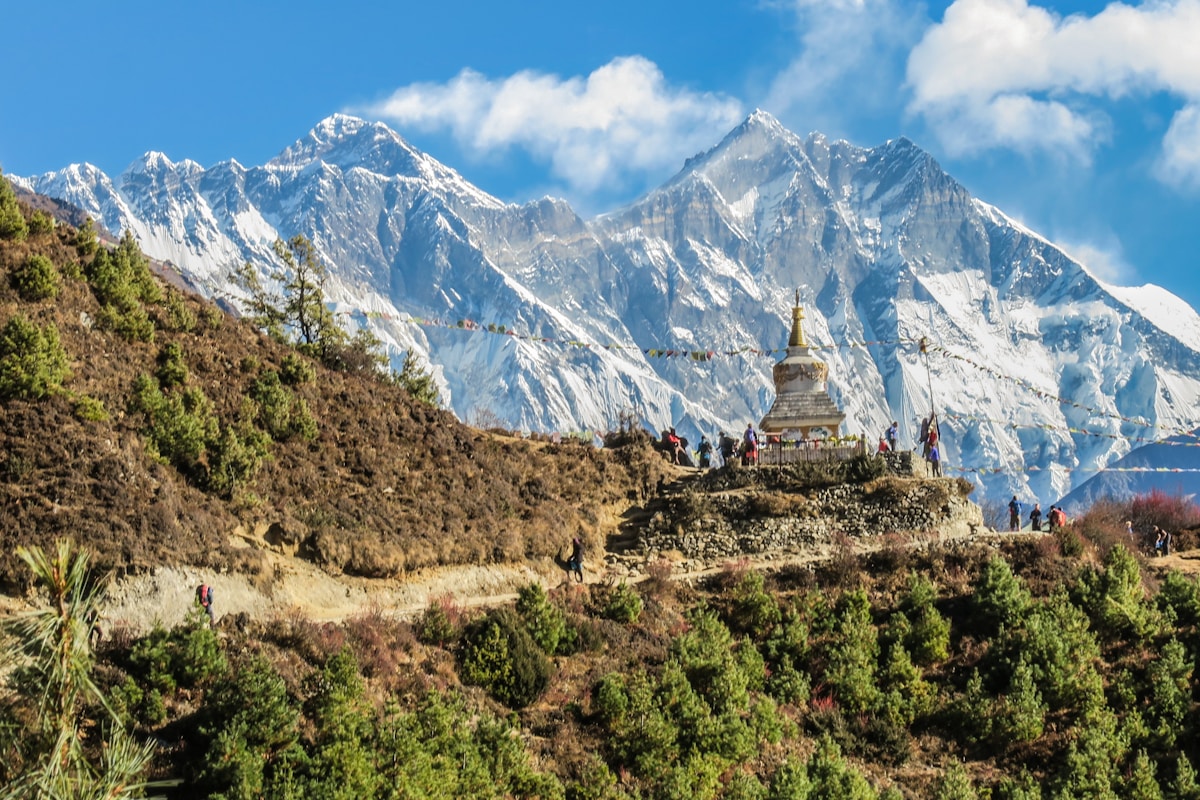 Char DhamBadrinath
Sacred Vishnu Dham at 3,133m — Most Auspicious of Char Dham
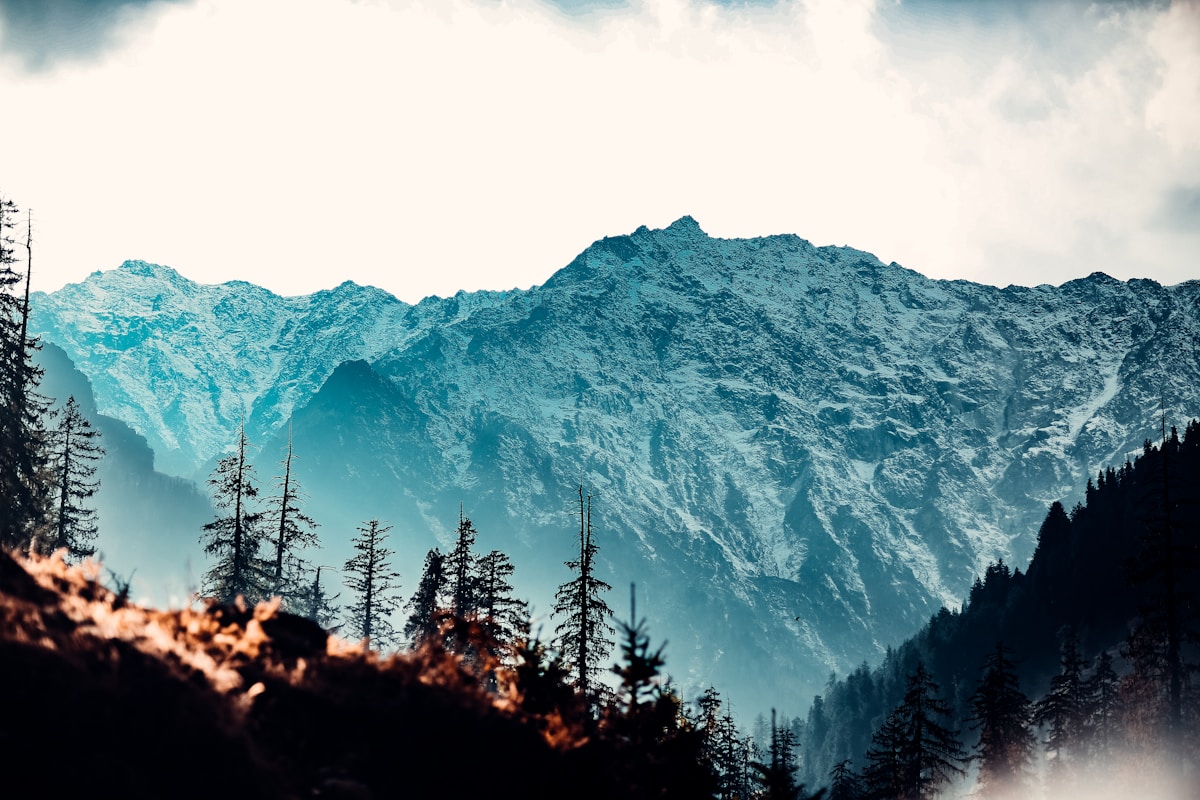 Char DhamGangotri
Source of the Sacred Ganga — Gateway to Gaumukh Glacier
 Char DhamYamunotri
Source of River Yamuna — First Stop on the Sacred Char Dham Yatra
 Chopta
Mini Switzerland of Uttarakhand — Gateway to Tungnath & Chandrashila
Ready to Plan Your Kedarnath Journey?
Our AI travel planner creates a personalised itinerary for your dates, budget, and group size in seconds — with hotels, routes, and real travel tips.