Jim Corbett
India's Oldest Tiger Reserve — Bengal Tigers, Elephants & Jungle Safaris
Travel Guide
Everything You Need to Know About Jim Corbett
Overview
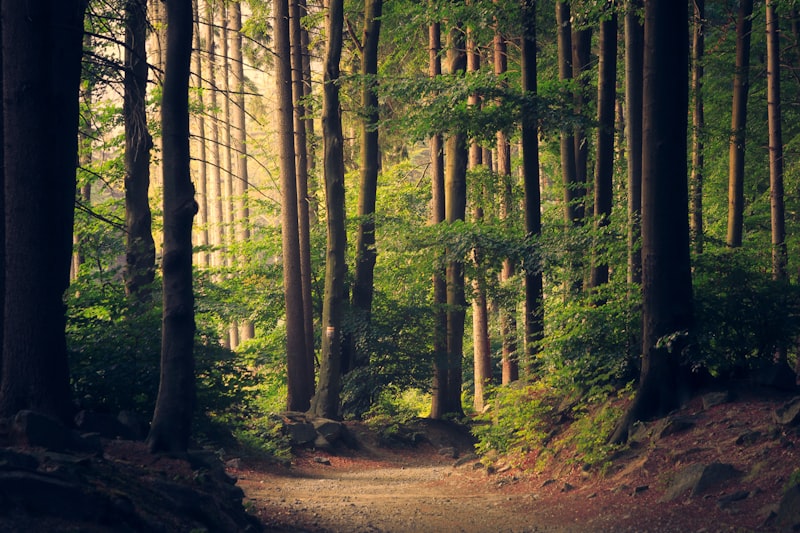
Jim Corbett National Park, established in 1936 as Hailey National Park (India's first), is one of the world's most celebrated wildlife reserves and the crown jewel of Project Tiger — India's landmark conservation programme. Spread across 521 sq km of the Himalayan foothills in Uttarakhand's Nainital and Pauri districts, the park is home to one of the highest densities of Royal Bengal Tigers in India, along with leopards, Asian elephants, gharial crocodiles, over 600 species of birds, and a remarkable diversity of Himalayan wildlife.
The park encompasses five distinct zones — Dhikala, Bijrani, Jhirna, Durga Devi, and Sitabani — each with its own character and wildlife specialities. Dhikala, accessible only via forest rest house stay or day excursion, is the most famous and offers the quintessential Corbett experience: vast grasslands (chaurs), the winding Ramganga river, and the highest tiger sighting probability in the entire park. Bijrani and Jhirna are day-excursion zones popular for leopard and elephant sightings.
The Ramganga River flows through the heart of the park, creating rich riparian ecosystems that attract thousands of birds throughout the year — making Corbett equally celebrated among serious birders as among wildlife enthusiasts. The Corbett Tiger Reserve is not just about tigers; it's a 360° wildlife experience set against the dramatic backdrop of the Himalayan terai forests.
How to Reach Jim Corbett
By Air
Pantnagar Airport (90km, 2.5 hours). Flights from Delhi. Delhi airport is the most practical option for most visitors.
By Rail
Ramnagar Railway Station (12km from park entrance). Direct trains from Delhi: Ranikhet Express (Delhi–Ramnagar, overnight). Also well-connected from Moradabad.
By Road
Delhi to Ramnagar (Corbett gate): 260km, 5–6 hours via NH9 (Ghaziabad → Moradabad → Ramnagar). Regular buses from Delhi ISBT to Ramnagar.
Local Transport
Jeep safaris hired from Ramnagar or through resorts. The park must be entered in authorised jeeps with a guide. No personal vehicles inside the core zones.
Best Time to Visit
Dhikala zone typically closes mid-June and reopens mid-November due to monsoon flooding. Jhirna zone is open year-round. Book safaris at least 4–6 weeks ahead in peak season.
Best Open Closed
Distance from Major Cities
Why Visit Jim Corbett?
- Royal Bengal Tiger sightings in Dhikala and Bijrani zones
- Asian elephant herds in the riverine grasslands (chaurs)
- Gharial and mugger crocodiles basking on Ramganga riverbanks
- 600+ bird species — one of India's top birding destinations
- Dhikala Forest Rest House — staying inside the core zone overnight
- Leopard, sloth bear, fishing cat, barking deer and jungle cat sightings
- Corbett Museum at Kaladhungi — Jim Corbett's original residence
Sample Itinerary
3-Day Jim Corbett Plan
A suggested itinerary — customise with AI for your dates and preferences
Arrive at Ramnagar & Afternoon Safari
- Drive or train from Delhi to Ramnagar
- Check into resort or forest rest house
- Afternoon: Jhirna or Bijrani zone jeep safari (3–6pm)
- Tiger, elephant and bird spotting
- Evening campfire at resort with naturalist talk
Morning Safari & Dhikala
- 5:30am morning safari — highest wildlife activity
- Ramganga river viewpoint for crocodile sightings
- Visit Corbett Museum at Kaladhungi (Jim Corbett's house)
- Afternoon: optional birding walk in buffer zone
- Evening: nature film screening at resort
Final Safari & Departure
- Early morning final safari (optional)
- Breakfast and checkout
- Drive to Nainital (65km) or Delhi (260km)
- Optional stop at Bhimtal Lake on the way
Get a Personalised AI Itinerary
Tell us your dates, budget, and group size — our AI creates a custom plan in seconds.
Live Updates
Travel Alerts for Jim Corbett
Current Status
Route Status
Open & busy
Best time: November to June (peak February to May)
Latest Alerts
Where to Stay
Hotels & Accommodation in Jim Corbett
Handpicked stays — from budget dharamshalas to comfortable mountain hotels
Top Stays in Jim Corbett
Searching across providers…
Live Conditions
Current Weather at Jim Corbett
Live temperature and wind data from Open-Meteo — updated hourly
☀️ Peak Season
May–June & Sep–Oct
8–18°C day / -2 to 5°C night
Best for pilgrimage and trekking. Clear skies, stable weather.
🌧️ Monsoon
July–August
12–20°C day / 5–10°C night
Heavy rainfall. Landslide risk on mountain roads. Check advisories.
❄️ Winter
Nov–April
-10 to 5°C day / below -15°C night
Temple/destination closed. Heavy snowfall. Not recommended.
Tips & Precautions
Travel Tips for Jim Corbett
Travel Tips
- Book Dhikala zone safaris 45 days ahead online — slots fill very fast
- Morning safaris (6–10am) have the highest tiger sighting probability
- Stay at a resort inside the buffer zone (Dhikula, Aahana, SaffronStays) for easy access
- Carry binoculars — elephant and bird sightings are frequent even on roads
- Hire certified naturalist guides for wildlife identification
- February–April is the best time: dry weather, minimal vegetation, tigers near water
Packing List
- Muted-colour clothing (khaki, olive, grey — avoid bright colours)
- Binoculars (essential)
- Long-sleeved shirts for sun and insects
- Good camera with telephoto lens
- Sunscreen and hat
- Mosquito repellent for evenings
- Layers for early morning safari chill
Health Precautions
- Malaria prophylaxis recommended — consult your doctor
- Mosquito repellent essential at dawn and dusk
- Stay inside the jeep during safaris — do not stand up or make sudden noises
- Carry personal medications and first aid
Safety Tips
- Never get out of the safari jeep inside core zones
- Do not attempt to attract animals' attention
- Follow all forest department guidelines — fines are heavy
- Do not carry food inside the safari vehicle — attract animals carefully
Frequently Asked
Jim Corbett Travel FAQs
Everything travellers ask before visiting Jim Corbett
Dhikala is statistically the best zone for tiger sightings — it's the largest, most diverse zone with open chaurs (grasslands) where tigers and elephants are frequently spotted. Bijrani is second best and easier to access for day visitors. Jhirna is open year-round and good for leopards.
Travel Guides & Tips for Jim Corbett
Traveller Reviews
Loading reviews…
Sign in to leave a review
Explore More
Destinations Near Jim Corbett
 Nainital
Jewel of Kumaon — Naini Lake, Snow View & Himalayan Sunsets
 Munsiyari
Little Kashmir of Uttarakhand — Panchachuli Peaks & Gateway to Milam Glacier
 Lansdowne
Uttarakhand's Best Kept Secret — Colonial Cantonment in Oak-Covered Hills
 Rishikesh
Yoga Capital of the World — Adventure, Spirituality & Ganga Rafting
Ready to Plan Your Jim Corbett Journey?
Our AI travel planner creates a personalised itinerary for your dates, budget, and group size in seconds — with hotels, routes, and real travel tips.