Gangotri
Source of the Sacred Ganga — Gateway to Gaumukh Glacier
Travel Guide
Everything You Need to Know About Gangotri
Overview
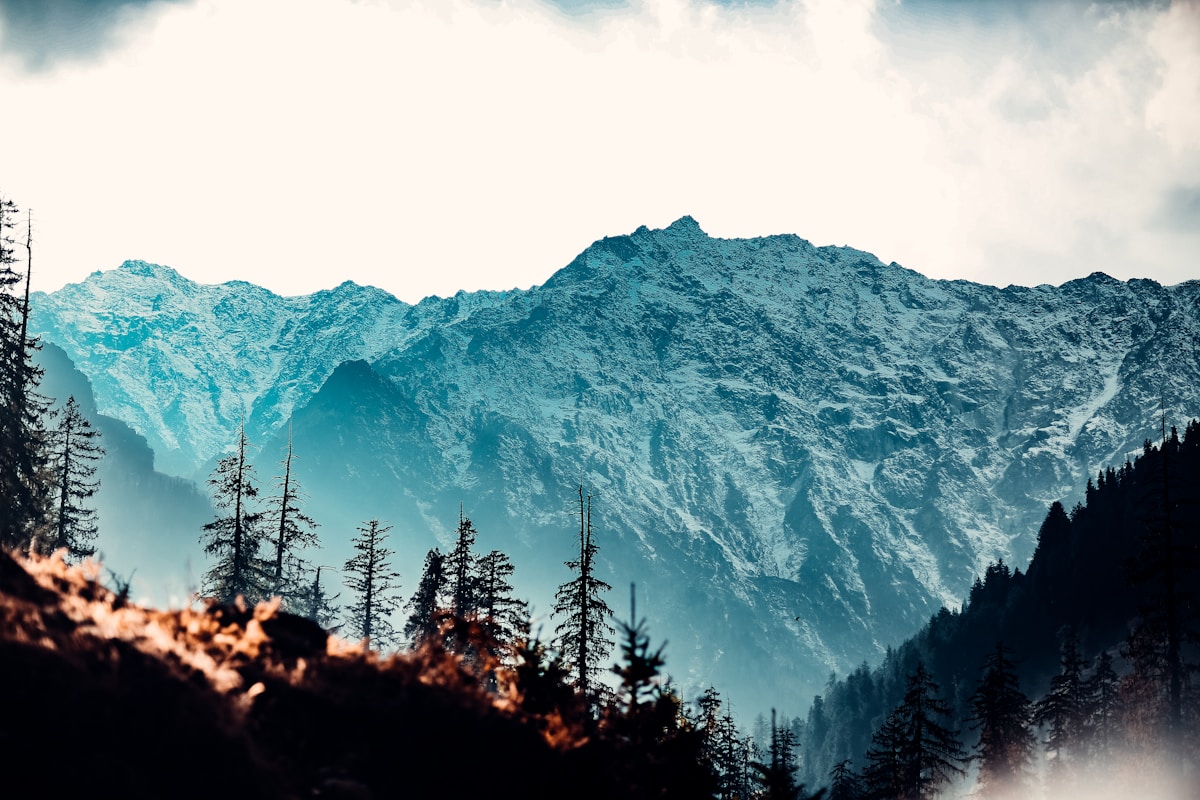
Gangotri, situated at 3,048 metres in the Uttarkashi district of Uttarakhand, is one of the holiest towns in India and the spiritual source of the River Ganges — the most sacred river in Hinduism. The Gangotri Temple, dedicated to Goddess Ganga, marks the spot where Ganga is believed to have descended to Earth at the behest of King Bhagirath, whose centuries of penance moved Lord Shiva to allow the divine river to flow through his matted locks to earth. This mythological event gives the Bhagirathi River its name — the river originating at Gaumukh Glacier that merges with the Alaknanda at Devprayag to form the Ganga.
The physical source of the Ganga is the Gaumukh Glacier, a powerful tongue of ice descending from the Gangotri Glacier at 4,255 metres. The 19km trek from Gangotri to Gaumukh through the Gangotri National Park is one of India's most spectacular wilderness journeys, passing through dense cedar forests, high-altitude meadows, and the dramatic Chirbasa and Bhojbasa campsites. The Gangotri Glacier itself is the largest in the Garhwal Himalaya and the primary source of the Bhagirathi River. For seasoned mountaineers and trekkers, the trek can be extended to Tapovan (4,463m) for stunning views of Shivling peak (6,543m) — one of the most beautiful and technically challenging mountains in India.
Gangotri forms the third stop of the traditional Char Dham circuit (after Yamunotri and Kedarnath, before Badrinath). The town comes alive during the six months the temple remains open, with pilgrims taking ritual dips in the ice-cold Bhagirathi river at Brahm Kund. The surrounding landscape is dramatic — dense forests of deodar, bhoj (birch), and rhododendron give way to stark, rocky terrain near the glacier, with glaciated peaks including Thalaysagar (6,904m), Bhagirathi peaks, and Meru (6,660m) forming a stupendous horizon. The Gangotri National Park, spanning 2,390 sq km, protects this fragile high-altitude ecosystem and requires a trekking permit for access beyond Gangotri.
How to Reach Gangotri
By Air
Jolly Grant Airport, Dehradun (260km from Gangotri). Taxis run from airport to Uttarkashi; connect to Gangotri by morning bus or taxi.
By Rail
Rishikesh (248km) or Dehradun (260km) are the closest railway stations. Buses and taxis operate to Uttarkashi and Gangotri from both.
By Road
From Delhi (480km): Delhi → Haridwar → Rishikesh → Devprayag → Uttarkashi → Gangotri. Drive takes 11–13 hours. Daily buses from Haridwar/Rishikesh to Gangotri operate during the pilgrimage season.
Local Transport
From Uttarkashi: shared jeeps and taxis to Gangotri (100km, 3–4 hours). Gangotri town is road-accessible. The Gaumukh trek (19km) starts at the edge of town.
Best Time to Visit
Gangotri Temple opens on Akshaya Tritiya and closes on the day of Diwali every year. The Gaumukh trek requires a separate permit from the Forest Department — obtain it at Gangotri.
Best Open Closed
Distance from Major Cities
Why Visit Gangotri?
- Spiritual source of River Ganga — one of the holiest sites in Hinduism
- Gangotri Temple on the banks of the Bhagirathi river at 3,048m
- Gaumukh Glacier (4,255m) — 19km trek from Gangotri, source of Bhagirathi
- Gangotri National Park — UNESCO Biosphere Reserve, rich in Himalayan wildlife
- Tapovan (4,463m) — trekking base with views of Shivling peak (6,543m)
- Bhagirathi peaks and Thalaysagar visible from the upper trek
- Bhojbasa campsite (3,792m) — overnight stay for Gaumukh trek
Sample Itinerary
5-Day Gangotri Plan
A suggested itinerary — customise with AI for your dates and preferences
Delhi → Uttarkashi
- Early morning departure from Delhi
- Drive through Haridwar and Rishikesh
- Scenic drive via Tehri Dam and Chamba
- Reach Uttarkashi by evening (370km, 9–10 hours)
- Rest and acclimatise
Uttarkashi → Gangotri
- Morning drive to Gangotri (100km, 3–4 hours)
- Pass through Harsil Valley (stunning scenery)
- Arrival at Gangotri, check in
- Afternoon: Gangotri Temple darshan and Brahm Kund dip
- Evening aarti at the temple
Gangotri → Bhojbasa (Gaumukh Trek Day 1)
14km trek- Obtain trekking permit at forest checkpost
- Begin 14km trek to Bhojbasa
- Pass through Chirbasa (3,600m) — lunch stop
- Reach Bhojbasa (3,792m) by afternoon
- Sunset views of Bhagirathi peaks
Bhojbasa → Gaumukh → Gangotri
10km + 14km descent- Early morning 5km trek to Gaumukh Glacier (4,255m)
- Witness the source of Bhagirathi from the glacier snout
- Return to Bhojbasa for breakfast
- Descend 14km back to Gangotri
- Rest and evening temple visit
Gangotri → Uttarkashi → Delhi
- Morning drive from Gangotri to Uttarkashi
- Continue toward Rishikesh and Haridwar
- Optional stop at Tehri Dam viewpoint
- Drive to Delhi — arrive late evening
Get a Personalised AI Itinerary
Tell us your dates, budget, and group size — our AI creates a custom plan in seconds.
Cost Breakdown
Gangotri Trip Cost Per Person
Transparent budget guide for every type of traveller — from budget pilgrim to luxury helicopter yatra.
₹6,500–₹9,500
per person (5-day trip)
- Bus/shared jeep from Haridwar
- Dharamshala or ashram in Gangotri
- Self-cooked meals
- Temple darshan
₹13,000–₹22,000
per person (5-day trip)
- Private cab Haridwar–Gangotri
- Hotel Grand Gangotri or similar
- Meals included
- Harsil detour
₹35,000–₹60,000
per person (5-day trip)
- Private SUV
- Premium camp at Harsil
- All meals & bonfire
- Gaumukh glacier trek with guide
Gaumukh glacier trek (18 km from Gangotri) requires a Forest Dept permit (₹150). Book in advance at the range office in Gangotri town.
Live Updates
Travel Alerts for Gangotri
Current Status
Route Status
Open & busy
Best time: May to June & September to October
Latest Alerts
Where to Stay
Hotels & Accommodation in Gangotri
Handpicked stays — from budget dharamshalas to comfortable mountain hotels
Top Stays in Gangotri
Searching across providers…
Live Conditions
Current Weather at Gangotri
Live temperature and wind data from Open-Meteo — updated hourly
☀️ Peak Season
May–June & Sep–Oct
8–18°C day / -2 to 5°C night
Best for pilgrimage and trekking. Clear skies, stable weather.
🌧️ Monsoon
July–August
12–20°C day / 5–10°C night
Heavy rainfall. Landslide risk on mountain roads. Check advisories.
❄️ Winter
Nov–April
-10 to 5°C day / below -15°C night
Temple/destination closed. Heavy snowfall. Not recommended.
Tips & Precautions
Travel Tips for Gangotri
Altitude Warning
Gangotri is at 3,048m and the Gaumukh Glacier is at 4,255m. The Gaumukh trek involves a significant altitude gain over 19km. Acclimatise at Gangotri for at least one night before attempting the trek. Carry Diamox and monitor yourself for AMS symptoms.
Travel Tips
- Gaumukh trek requires a permit from the Forest Department (₹150/person). Obtain at Gangotri checkpost.
- The Gaumukh glacier is retreating — the ice face is around 1km past the forest checkpost at Gangotri.
- Camping at Bhojbasa (3,792m) is the only option for an overnight Gaumukh trek.
- Do not attempt Gaumukh trek without prior trekking experience — altitude gain is rapid.
- Uttarkashi has the last reliable ATMs and pharmacies before Gangotri.
- Monsoon (July–August): road to Gangotri is prone to landslides — check road status before departure.
- Early morning temple darshan (5–7 AM) is the most peaceful, before bus loads of pilgrims arrive.
- Carry cash for the entire trip — no ATMs at Gangotri.
Packing List
- Down jacket and thermal inners (temperatures below freezing at night)
- Sturdy waterproof trekking boots
- Gaiters (for snow on Gaumukh trek after May)
- Sleeping bag rated to -10°C (for Bhojbasa overnight)
- Trekking poles
- Rain cover for backpack and poncho
- Sunscreen, UV sunglasses, lip balm
- Water purification tablets
- First-aid kit and personal medications
- High-calorie snacks and dry rations for the trek
- Permit documents and valid ID copies
Health Precautions
- Gangotri at 3,048m requires acclimatisation — spend at least one night at Uttarkashi before ascending.
- The Gaumukh trek to 4,255m is a significant altitude gain — proceed slowly.
- Watch for symptoms of AMS (Acute Mountain Sickness): headache, nausea, breathlessness at rest.
- Drink warm beverages; avoid cold water and alcohol.
- Those with cardiovascular or respiratory conditions should avoid the Gaumukh trek.
Safety Tips
- Obtain a Gaumukh trekking permit — solo trekking without permit is illegal inside the national park.
- Do not approach the Gaumukh snout — ice calving is unpredictable and dangerous.
- Camp only at designated sites: Bhojbasa and Tapovan.
- Emergency helpline: Forest Range Office Gangotri: 01374-222234. Uttarkashi District Emergency: 01374-222060.
- Avoid trekking in fog — the trail beyond Chirbasa can be disorienting.
Frequently Asked
Gangotri Travel FAQs
Everything travellers ask before visiting Gangotri
Gangotri is the mythological and spiritual source, but the physical source is the Gaumukh Glacier (4,255m), 19km from Gangotri town. The river that flows from Gaumukh is called the Bhagirathi, which merges with the Alaknanda at Devprayag to form the Ganga proper.
Traveller Reviews
Loading reviews…
Sign in to leave a review
Explore More
Destinations Near Gangotri
Ready to Plan Your Gangotri Journey?
Our AI travel planner creates a personalised itinerary for your dates, budget, and group size in seconds — with hotels, routes, and real travel tips.