Har Ki Dun
Valley of Gods — Ancient Himalayan Trek at 3,566m in Govind Sanctuary
Travel Guide
Everything You Need to Know About Har Ki Dun
Overview
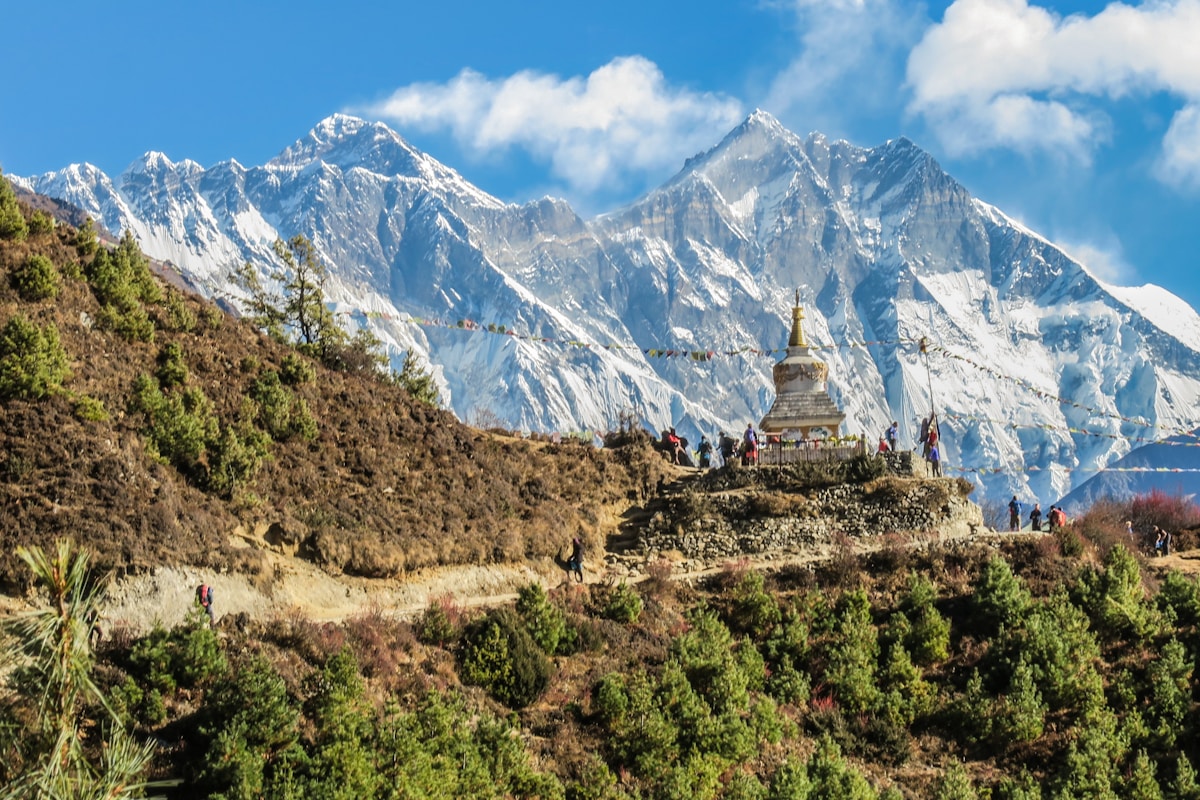
Har Ki Dun — meaning "Valley of Gods" in the local Garhwali dialect — is one of the most spectacular and historically significant trekking destinations in Uttarakhand. Located within the Govind Wildlife Sanctuary in Uttarkashi district, this cradle-shaped valley at 3,566 metres is surrounded by snow-capped peaks including Swargarohini (6,252m), Hata Peak, and Gangotri III. According to local legend, this is the valley through which the Pandavas and Draupadi began their ascent to heaven (Swargarohini) — the valley's very name reflects this divine mythology.
The trek to Har Ki Dun begins from Sankri village (1,920m) — accessible by road from Dehradun — and passes through some of Uttarakhand's most pristine and varied landscapes: dense Silver Birch and Deodar forests, traditional Jaunsari villages where ancient customs and architecture have remained unchanged for centuries, narrow gorges alongside the Supin river, and vast alpine meadows carpeted with wildflowers in summer.
Unlike more crowded Himalayan treks, Har Ki Dun retains its unspoiled character thanks to its location within a protected wildlife sanctuary. Himalayan black bear, musk deer, snow leopard, and Himalayan monal (Uttarakhand's state bird) are frequently sighted. The trek is graded moderate and suitable for beginners with reasonable fitness — no technical climbing skills are required. The village of Osla, encountered at the mid-point of the trek, is one of the most authentically preserved Jaunsari settlements in Uttarakhand, with its distinctive slate-roofed houses and 500-year-old Duryodhana temple.
How to Reach Har Ki Dun
By Air
Jolly Grant Airport, Dehradun (220km to Sankri, 7 hours). Fly via Delhi.
By Rail
Dehradun Railway Station (210km to Sankri). Daily buses from Dehradun to Sankri (9–10 hours). Alternatively, share jeep from Dehradun via Purola.
By Road
Delhi to Sankri (base camp): 490km via Dehradun → Vikasnagar → Nainbagh → Mori → Sankri (10–12 hours). Direct Dehradun to Sankri buses depart from Dehradun bus stand at 5:30am.
Local Transport
Trek on foot from Sankri. Mules available for luggage (₹800–₹1,200/day). Local guides compulsory for sanctuary entry.
Best Time to Visit
The trek is open April–June and September–November. December–March sees heavy snowfall — only experienced mountaineers with snow camping gear attempt the route in winter. The sanctuary requires permits from the Forest Department in Sankri.
Best Open Closed
Distance from Major Cities
Why Visit Har Ki Dun?
- Swargarohini Peak (6,252m) — mythological peak the Pandavas climbed to heaven
- Osla village — 500-year-old Jaunsari settlement with Duryodhana temple
- Govind Wildlife Sanctuary — snow leopard, Himalayan black bear, monal sightings
- Pristine Supin River gorge trail through Silver Birch and Deodar forests
- Har Ki Dun meadow — vast alpine grassland at 3,566m
- Summer wildflower bloom — meadows carpeted with primulas, anemones, and poppies
- Ruinsara Lake (15km further) — high-altitude lake surrounded by glaciers
Sample Itinerary
6-Day Har Ki Dun Plan
A suggested itinerary — customise with AI for your dates and preferences
Dehradun → Sankri
- 6am bus from Dehradun to Sankri (210km, 7 hours)
- Settle into guesthouse
- Trek briefing and permit collection
- Evening walk through Sankri village
Sankri → Osla (via Gangad)
- Drive to Taluka (12km)
- Trek: Taluka → Gangad → Osla (14km, 6 hours)
- Dense Deodar forest and Supin river trail
- Duryodhana temple visit in Osla
Osla → Har Ki Dun
- Trek: Osla → Har Ki Dun (8km, 4 hours through alpine meadow)
- Arrive at the Valley of Gods — 360° mountain panorama
- Explore meadows, photography, rest
Har Ki Dun — Ruinsara Lake Extension
- Optional: Trek to Ruinsara Lake (15km round trip, 5 hours)
- High-altitude lake surrounded by glaciers and Swargarohini peaks
- Return to Har Ki Dun
Descent: Har Ki Dun → Sankri
- Trek back via Osla and Gangad to Taluka
- Drive to Sankri
- Hot meal and rest
Sankri → Dehradun
- Morning bus to Dehradun (7 hours)
- Return to base city
Get a Personalised AI Itinerary
Tell us your dates, budget, and group size — our AI creates a custom plan in seconds.
Live Updates
Travel Alerts for Har Ki Dun
Current Status
Route Status
Open & busy
Best time: April to June & September to November
Latest Alerts
Where to Stay
Hotels & Accommodation in Har Ki Dun
Handpicked stays — from budget dharamshalas to comfortable mountain hotels
Top Stays in Har Ki Dun
Searching across providers…
Live Conditions
Current Weather at Har Ki Dun
Live temperature and wind data from Open-Meteo — updated hourly
☀️ Peak Season
May–June & Sep–Oct
8–18°C day / -2 to 5°C night
Best for pilgrimage and trekking. Clear skies, stable weather.
🌧️ Monsoon
July–August
12–20°C day / 5–10°C night
Heavy rainfall. Landslide risk on mountain roads. Check advisories.
❄️ Winter
Nov–April
-10 to 5°C day / below -15°C night
Temple/destination closed. Heavy snowfall. Not recommended.
Tips & Precautions
Travel Tips for Har Ki Dun
Altitude Warning
Maximum altitude 3,566m at Har Ki Dun meadow. Ruinsara Lake extension reaches 3,900m. Acclimatise properly and watch for AMS symptoms.
Travel Tips
- Acclimatise in Sankri for one night before starting the trek — altitude gain is significant
- Hire a registered local guide from Sankri — mandatory for sanctuary entry and invaluable for route finding
- Visit in September–October for the clearest skies and minimal crowds after monsoon
- Osla village Duryodhana temple requires women to cover hair — carry a dupatta
- Carry all your litter out — the valley is pristine and waste disposal options are nil
- Full trek gear including crampons needed for May when snow patches remain
Packing List
- Trekking poles (essential)
- Down sleeping bag (-5°C rated)
- Waterproof trekking boots
- Warm layers: thermal, fleece, hardshell
- Crampons (April–May)
- Portable water filter
- First aid kit with Diamox
- High-calorie snacks
- Trekking permits (obtainable in Sankri)
Health Precautions
- Altitude sickness risk above 3,000m — carry Diamox
- Trek at a steady pace; do not rush the altitude gain
- Nearest medical facility is in Purola (60km from Sankri)
- Avoid the trek with recent respiratory infections
Safety Tips
- Do not trek alone — buddy system at all times
- Weather changes rapidly above 3,000m — turn back if thunderstorms approach
- River crossings can be dangerous in monsoon — use rope bridges
- Register your trek at the Forest Dept check post in Sankri
Frequently Asked
Har Ki Dun Travel FAQs
Everything travellers ask before visiting Har Ki Dun
Yes — it is one of the best beginner treks in Uttarakhand. The trail is gradual, well-marked, and supported by villages along the route. The key requirement is reasonable fitness for 6–8 hours of walking per day over 4–5 days. No technical climbing skills needed.
Traveller Reviews
Loading reviews…
Sign in to leave a review
Explore More
Destinations Near Har Ki Dun
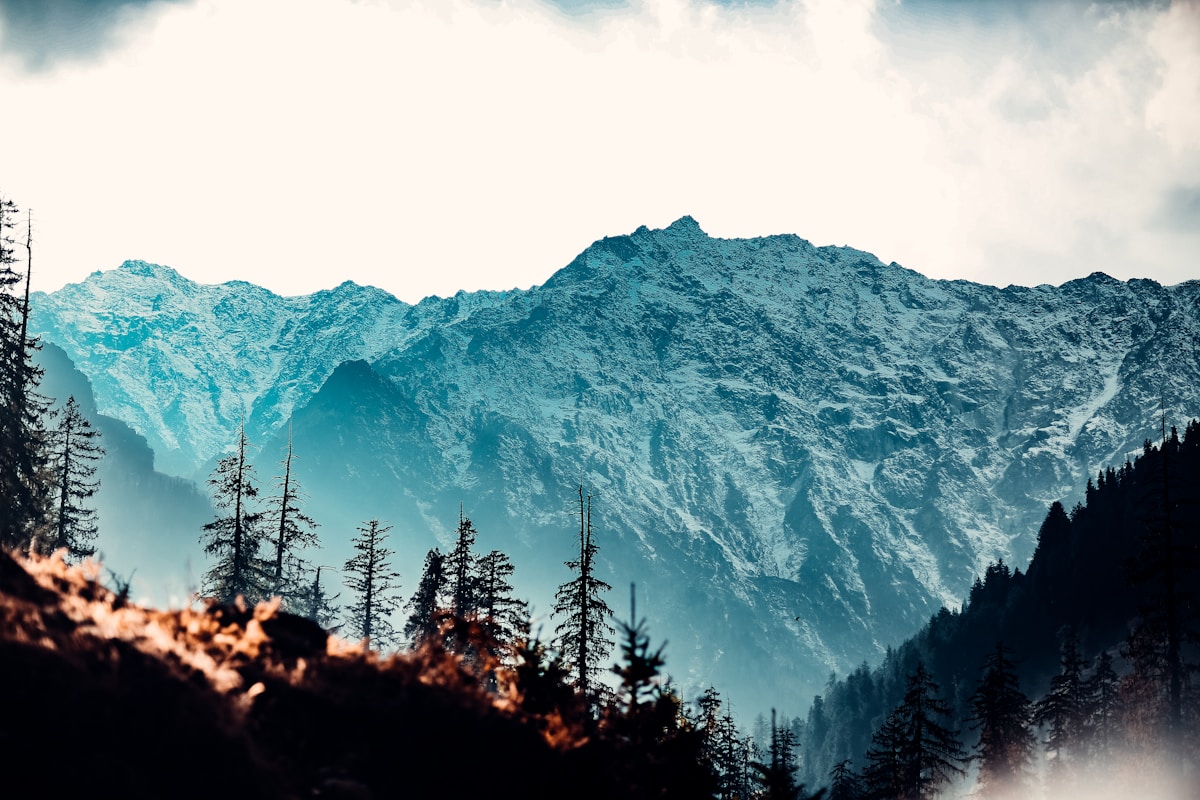 Char DhamGangotri
Source of the Sacred Ganga — Gateway to Gaumukh Glacier
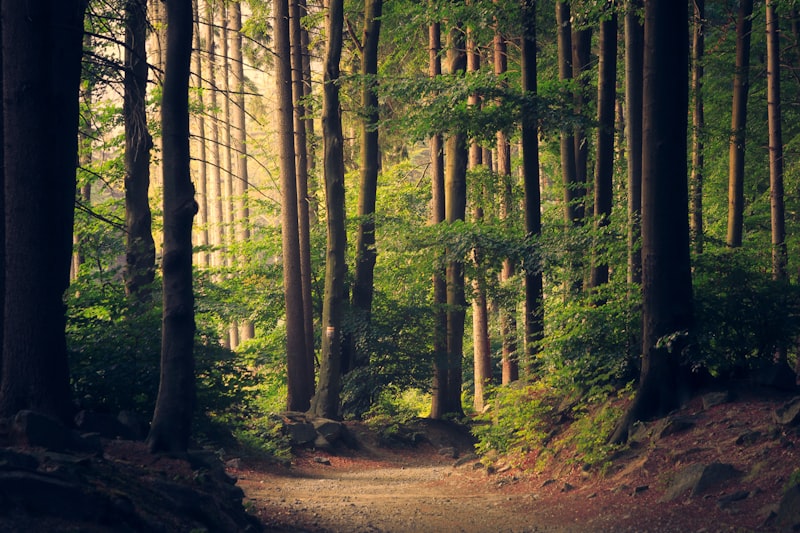 Chopta
Mini Switzerland of Uttarakhand — Gateway to Tungnath & Chandrashila
 Valley of Flowers
UNESCO World Heritage — A Blooming Alpine Paradise at 3,658m
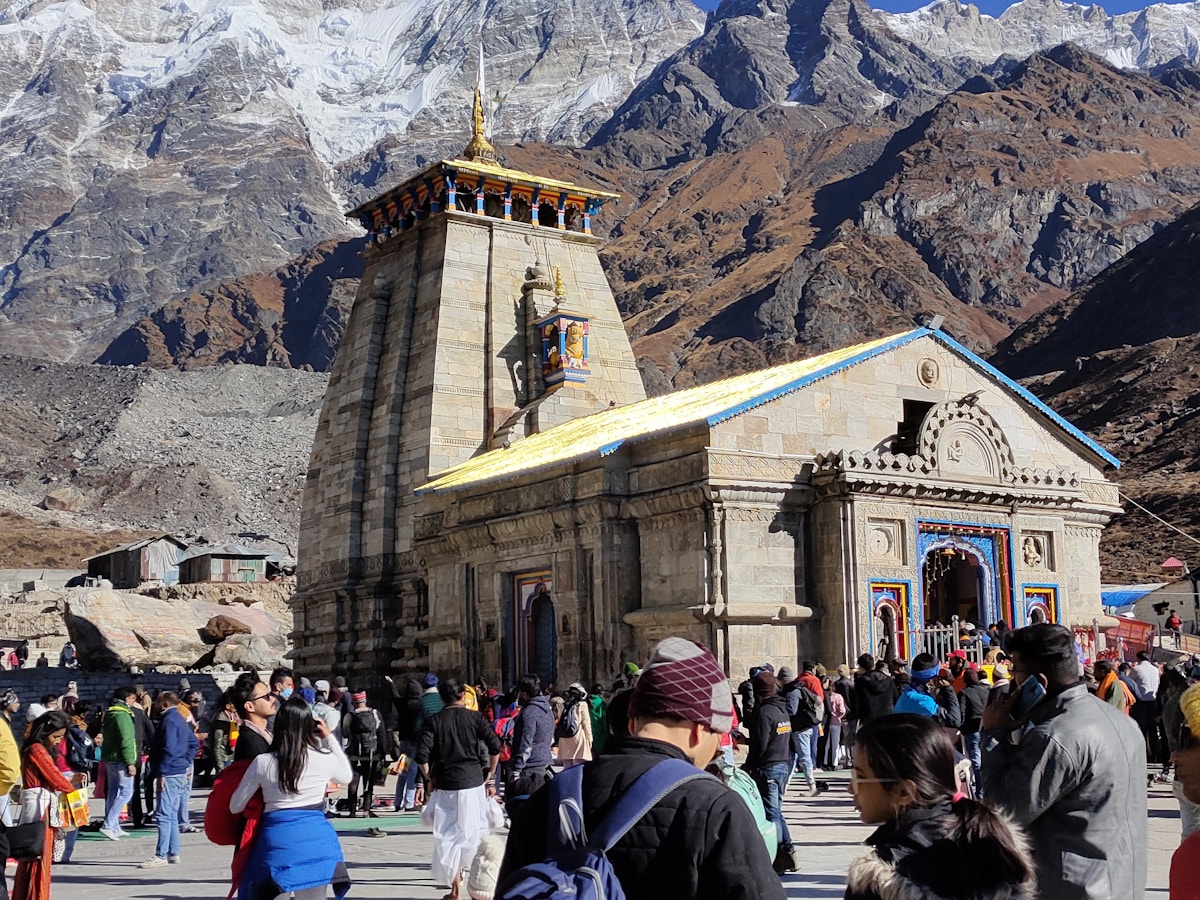 Char DhamKedarnath
Sacred Shiva Temple at 3,583m — Crown Jewel of Char Dham
Ready to Plan Your Har Ki Dun Journey?
Our AI travel planner creates a personalised itinerary for your dates, budget, and group size in seconds — with hotels, routes, and real travel tips.