Preethi Menon
Trekking & Wilderness Writer
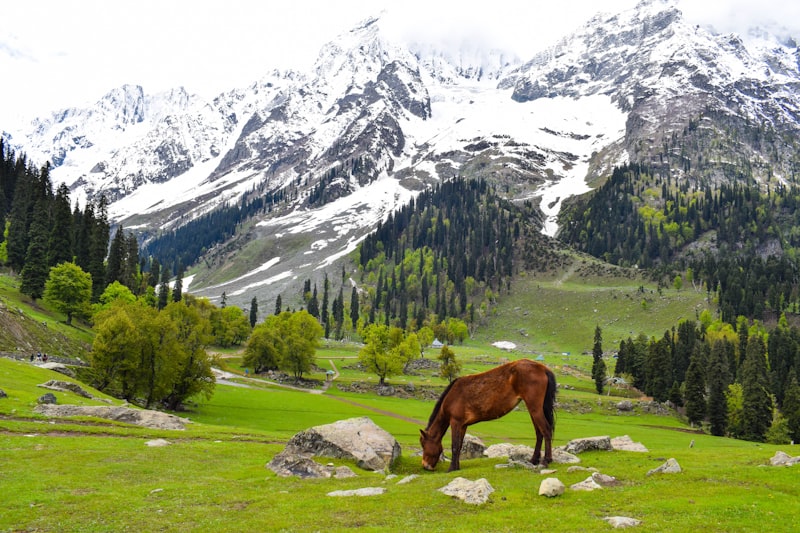
The Valley of Flowers National Park — a UNESCO World Heritage Site in Chamoli district — bursts into colour from July to mid-September. Over 500 species of wildflowers carpet a glacial valley at 3,600m, creating scenes that seem painted rather than real. Here is everything you need to plan this unforgettable trek.
Best Time to Visit
| Period | What You See | Crowds |
|---|---|---|
| Early July | First flush of blooms; trail can be muddy | Low |
| Mid July – August | Peak bloom; maximum flower diversity | Moderate–High |
| September | Autumn colours; fewer crowds; clear skies | Low |
| Oct – June | Park closed; heavy snowfall | — |
Pro Tip
The second week of August is statistically the most colourful, with late-blooming species adding to early ones. Plan around this window if flexibility allows.
Trek Route & Details
- Base: Govindghat (1,828m) — reachable from Rishikesh/Haridwar via Joshimath
- Day 1: Govindghat → Ghangaria (13km / 5–6 hours) — gradual forested ascent
- Day 2: Ghangaria → Valley of Flowers → back (5km each way)
- Optional: Ghangaria → Hemkund Sahib (6km / 3–4 hours) — highly recommended
Permits & Entry
- Entry fee: ₹150 per day (Indians), ₹600 per day (foreign nationals)
- Permits are issued at the Forest Check Post, Ghangaria
- Camping inside the valley is strictly prohibited
- The valley closes at 5pm; night stay only at Ghangaria
What to Carry
- Waterproof jacket and trekking pants — afternoon showers are common
- Trekking poles — the descent from Ghangaria to Govindghat is steep
- Binoculars for spotting Himalayan blue sheep and monal pheasant
- Macro lens or zoom camera to capture close-up flower details
- Sufficient cash — ATMs only in Joshimath
Where to Stay
Ghangaria is the only overnight village for trekkers. It has GMVN guesthouses, private lodges, and camps. Book accommodation in advance for July–August. Govindghat also has guesthouses and a large Gurudwara with free langar.
Important Warning
Leeches are common on the Govindghat–Ghangaria trail during peak monsoon (July–August). Wear full-length trekking pants tucked into socks and apply salt or insect repellent.